Understanding Multiplier Mechanics in Tiered Loyalty Programs Across Licensed Digital Gaming Platforms
Uma Weber · Jun 8, 2026
Understanding Multiplier Mechanics in Tiered Loyalty Programs Across Licensed Digital Gaming Platforms
Licensed digital gaming platforms structure their loyalty programs around tiered systems that reward consistent play through accumulated points, and multiplier mechanics sit at the core of how those rewards scale across different levels. Operators in regulated markets from North America to Europe and Australia deploy these mechanics to encourage longer engagement while complying with jurisdictional rules that govern bonus structures and player tracking.
How Tier Progression Establishes the Foundation
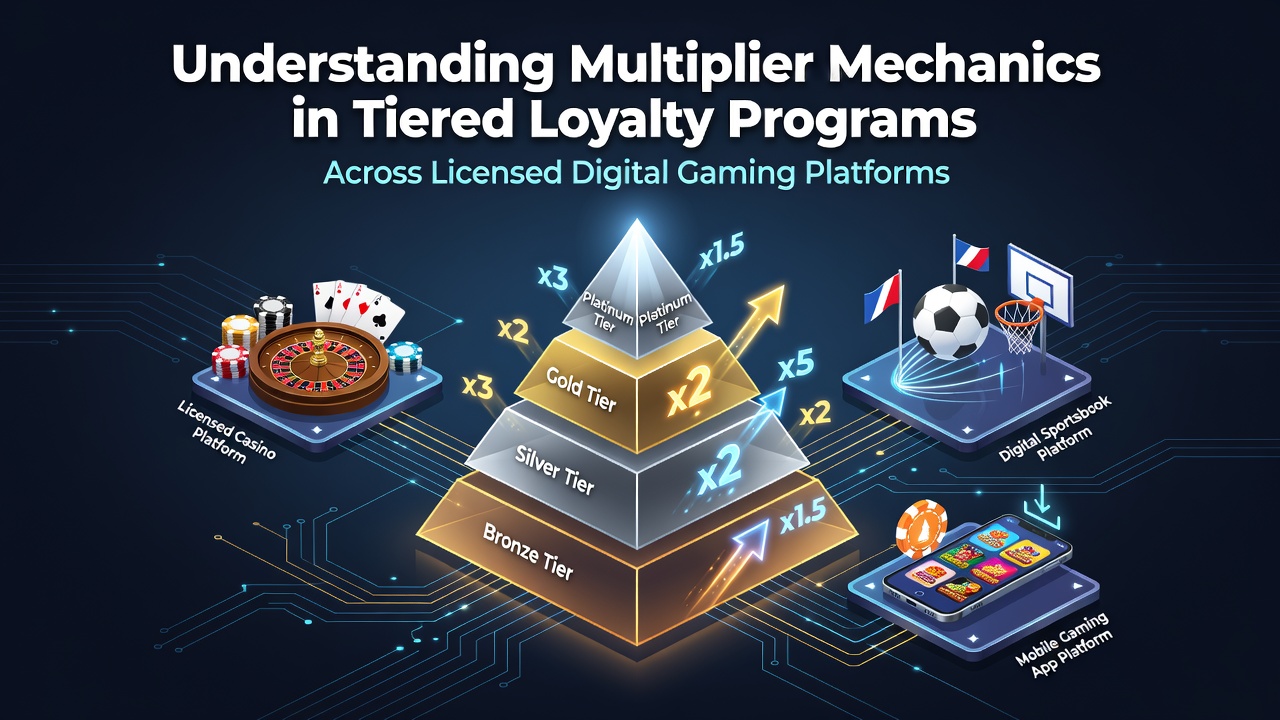
Players enter loyalty programs at entry-level tiers such as Bronze or Standard after creating an account and making an initial deposit, then climb to higher brackets by earning points through wagers on slots, table games, and live dealer offerings. Each tier carries specific thresholds, often measured in monthly or quarterly activity, and advancement unlocks enhanced benefits that include deposit matches, cashback percentages, and access to exclusive events. Data from platform analytics reveals that most active users remain in the lower two tiers, whereas a smaller segment reaches Platinum or Diamond status through sustained volume.
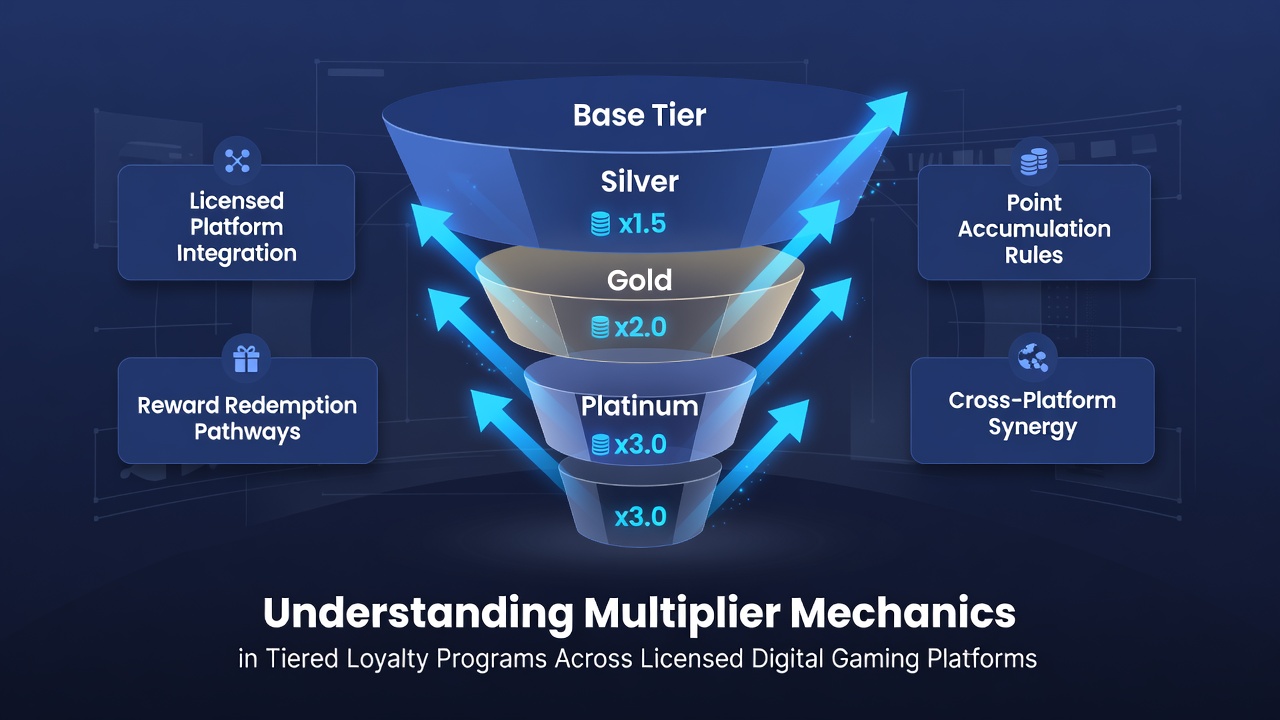
Multipliers enter the equation once players qualify for elevated tiers, applying coefficients to point earnings, reward redemptions, or both. A Silver tier member might receive a 1.5x multiplier on points earned from every dollar wagered, while Gold could double that rate to 2x or higher depending on the operator's formula. These coefficients compound when combined with promotional periods, allowing a single wager to generate amplified returns without altering the base game mathematics.
Mechanics Behind Point and Reward Multiplication
Operators calculate multipliers using algorithms that factor in tier status, game category, and sometimes time-based variables such as weekend boosts or seasonal campaigns. Points typically accrue at a base rate of one point per dollar wagered, yet higher tiers apply the multiplier directly to this accrual before adding the total to a player's balance. Redemption multipliers function separately in some programs, increasing the value of points when exchanged for credits, merchandise, or tournament entries.
Regulated platforms must document these calculations clearly in terms and conditions to satisfy oversight requirements. In Ontario, for instance, the Alcohol and Gaming Commission enforces transparency around how multipliers affect playable credits derived from loyalty activity. Similar standards appear in Australian state frameworks where operators publish multiplier tables that detail exact coefficients for each tier and game type.
Regional Variations in Implementation
North American platforms licensed in states such as New Jersey and Pennsylvania integrate multipliers that scale with both tier and deposit frequency, creating pathways where players can accelerate progression during high-volume months. European operators under Malta Gaming Authority oversight often tie multipliers to responsible gaming metrics, capping maximum coefficients to prevent excessive play patterns. Australian programs, particularly those in New South Wales and Victoria, frequently combine multipliers with cashback that itself receives an additional boost at upper tiers.
June 2026 marks the scheduled rollout of updated reporting standards in several Canadian provinces, requiring platforms to disclose average multiplier values applied to loyalty redemptions over the prior quarter. These changes aim to give players clearer visibility into how tier status influences actual returns without changing the underlying mechanics themselves.
Technical Tracking and Compliance Considerations
Backend systems log every wager against the player's current tier at the moment of play, applying the corresponding multiplier in real time before storing the result in centralized databases. This approach allows seamless adjustments when players cross tier thresholds mid-session, with some platforms recalculating recent activity retroactively to reflect the new rate. Auditors review these logs during licensing renewals to confirm that multipliers never exceed advertised limits or interact with restricted bonus categories.
Third-party certification labs test multiplier code for accuracy and fairness, verifying that no hidden variables alter outcomes based on player location or account age. Industry reports from research institutions tracking global iGaming trends show that platforms maintaining consistent multiplier transparency experience lower dispute rates related to loyalty redemptions.
Player Pathways and Observable Patterns
Observers note that players who monitor their current tier status and upcoming multiplier thresholds often adjust game selection to maximize point generation during promotional windows. Slots with higher volatility sometimes pair with elevated multipliers in upper tiers because the larger bet sizes accelerate progression, while table game enthusiasts benefit from steadier point accumulation at lower coefficients. These patterns emerge across multiple jurisdictions without any single strategy dominating due to varying game weightings applied by each operator.
Cross-platform comparisons reveal that multipliers rarely exceed 5x even at the highest tiers, though combined promotions can create effective rates that approach this ceiling during limited events. Licensed operators publish historical data on tier distribution and average multiplier usage, enabling external analysts to track engagement shifts following program updates.
Conclusion
Multiplier mechanics within tiered loyalty programs operate as structured scaling tools that licensed digital gaming platforms use to differentiate reward levels while remaining within regulatory boundaries. Through documented coefficients, real-time tracking, and regional compliance frameworks, these systems deliver predictable benefits tied directly to player activity and tier status. Continued evolution of reporting requirements, particularly those taking effect around June 2026 in select markets, will likely standardize how operators communicate multiplier impacts to participants across borders.