Navigating Verification Processes for Payout Requests in Licensed Mobile Gaming Applications
Uma Weber · Jun 10, 2026
Navigating Verification Processes for Payout Requests in Licensed Mobile Gaming Applications
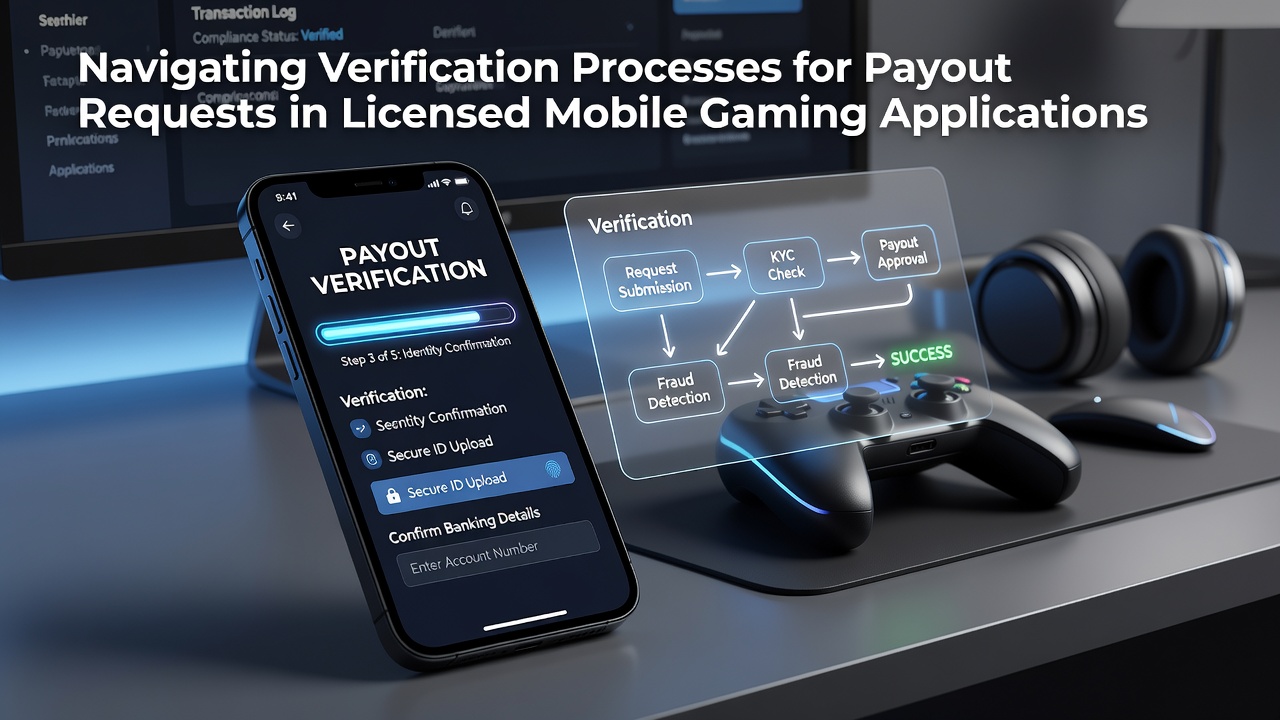
Licensed mobile gaming applications enforce structured verification steps before releasing any funds from player accounts, and these protocols combine identity checks with transaction monitoring to meet regulatory standards across multiple jurisdictions. Operators integrate automated systems alongside manual reviews, while players encounter prompts for documents that range from government-issued identification to proof of address and banking details. The entire sequence aims to confirm that the account holder matches the person requesting the withdrawal, yet the process varies depending on platform size and local licensing requirements.
Core Components of Identity Verification
Most applications begin with basic account setup that collects name, date of birth, and contact information, then escalate to full verification once a payout threshold is reached or triggered by risk indicators. Document submission typically includes a clear photo of a passport or driver’s license, followed by a selfie for facial matching technology, and sometimes a utility bill or bank statement dated within the last three months. Software compares these uploads against public records and biometric databases, flagging inconsistencies for human review that can extend processing times from hours to several business days. Data from regulatory filings shows that platforms using layered verification reduce fraudulent claims by substantial margins compared with single-step methods.
Regulatory Expectations Across Regions
Rules differ by licensing authority, so operators serving multiple markets maintain region-specific workflows that adjust document requirements accordingly. In North American jurisdictions, state gaming boards often mandate real-time address verification through third-party services, whereas European frameworks emphasize ongoing transaction monitoring once initial approval occurs. Australian regulators require operators to retain records of all verification steps for a minimum period, creating audit trails that inspectors can examine during compliance reviews. One notable development surfaced in June 2026 when several licensing bodies updated digital identity guidelines, prompting applications to adopt faster API connections with national identity databases while preserving data encryption standards.
Step-by-Step Navigation for Players
Players typically start by accessing the account settings menu and selecting the verification or KYC section, where the application lists required documents and accepted formats. Uploading occurs directly through the mobile interface, and most platforms provide progress indicators that show which items have cleared automated checks. When additional information is requested, users receive in-app notifications or email alerts that direct them back to the same portal, allowing them to submit corrections without starting over. Those who maintain clear scans and consistent personal details across documents often experience shorter wait times, whereas mismatches in spelling or address formatting trigger follow-up requests. Payment method verification follows once identity clears, requiring confirmation that the withdrawal account matches the name on file through micro-deposits or statement uploads.
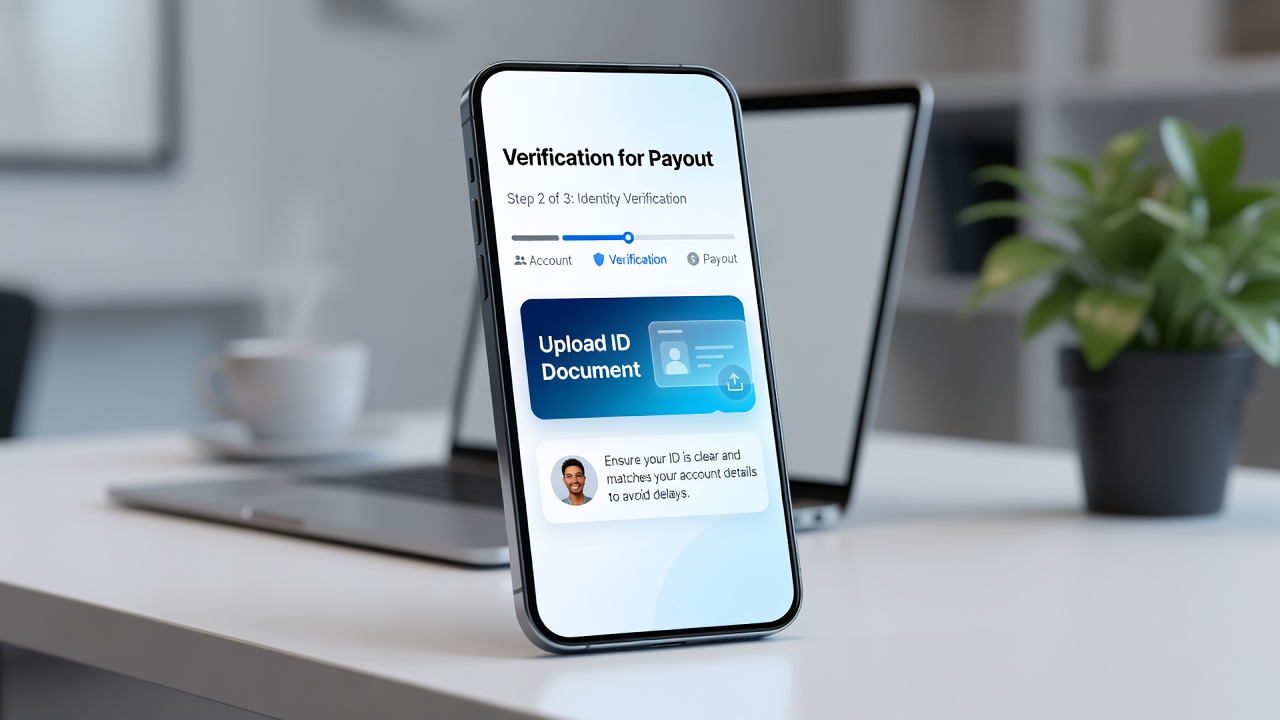
Support channels assist when automated systems stall, and operators staff live chat or ticket systems with agents trained to guide users through specific document issues. Case examples from industry reports illustrate that providing a secondary form of identification, such as a national health card, resolves many address mismatches without requiring new utility bills. Processing queues tend to lengthen during peak withdrawal periods, yet transparent status updates help users understand where their request stands in the review pipeline.
Common Obstacles and Resolution Paths
Technical glitches during image capture represent one frequent hurdle, yet most applications include retake options and compression tools that maintain readability standards required by verification software. Name variations between documents and account registration create another common delay, so players benefit from updating profile details before initiating large withdrawals. Third-party verification providers sometimes experience temporary outages, shifting review responsibility to internal teams and extending timelines by one or two days. Observers note that applications offering multiple document upload slots and clear error messages reduce repeat submissions and improve completion rates across user bases.
Security Measures Supporting Verification
Encryption protocols protect uploaded files during transmission and storage, while access controls limit employee visibility to only the data necessary for each review stage. Some platforms incorporate device fingerprinting and behavioral analytics that flag unusual login patterns before payout approval, adding another layer beyond static documents. These combined safeguards align with broader anti-money laundering frameworks enforced by licensing bodies, ensuring that verification serves both identity confirmation and financial integrity goals. Research from academic studies on digital identity systems indicates that biometric elements, when paired with traditional documents, raise accuracy rates in high-volume transaction environments.
Conclusion
Verification processes for payout requests continue to evolve alongside technological capabilities and regulatory updates, creating pathways that balance security with user convenience in licensed mobile gaming applications. Players who prepare required documents in advance and monitor in-app notifications navigate these steps more efficiently, while operators maintain compliance through layered checks that adapt to jurisdictional differences. Ongoing refinements, including those observed around June 2026, point toward greater integration of digital identity tools that shorten processing windows without compromising oversight standards.