Inside the Mechanics of Instant Credit Conversion in Verified Smartphone Gaming Platforms
Drew Lang · Aug 26, 2026
Inside the Mechanics of Instant Credit Conversion in Verified Smartphone Gaming Platforms
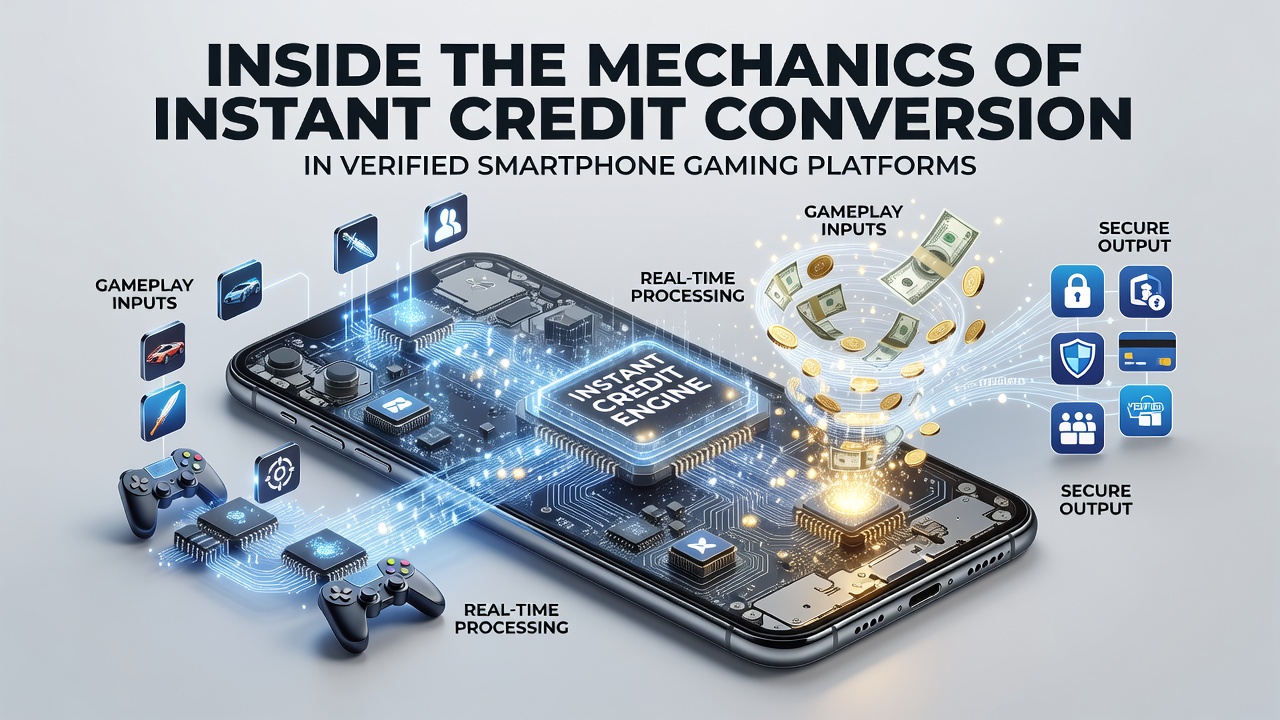
Verified smartphone gaming platforms rely on layered systems that turn deposits into playable credits within seconds of transaction approval, and observers note that these processes combine payment gateway APIs with real-time database synchronization to achieve that speed. Developers build the architecture around secure token exchanges between banks, payment processors, and the gaming operator's servers, which allows the credit balance to update without manual intervention once verification clears. In August 2026 several major platforms reported average conversion times under four seconds for approved transactions, according to aggregated operator performance data shared at industry conferences.
Core Verification Layers
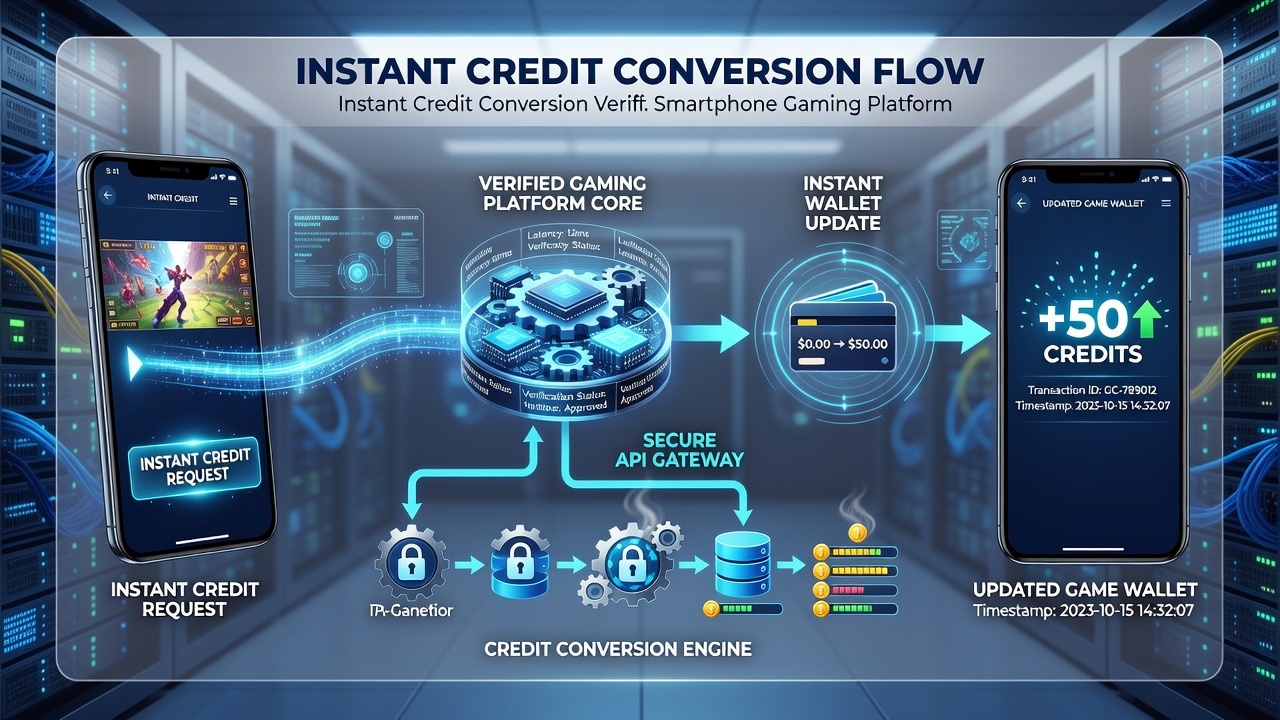
Each deposit request passes through multiple authentication checkpoints before the system releases credits, and researchers describe the sequence as beginning with device fingerprinting followed by account linkage checks against regulatory databases. The platform then queries the payment processor for authorization, and upon a positive response the backend triggers an immediate ledger entry that credits the user's wallet. Those who've examined the flow charts from licensed operators point out that this chain eliminates batch processing delays common in older systems, which once required minutes or hours to reflect new funds.
Payment Integration Mechanics
Modern platforms connect to processors through standardized APIs that support instant settlement protocols, and data shows these connections handle both traditional card payments and digital wallet transfers with equal efficiency. When a user initiates a deposit the app packages the request with encrypted tokens, sends it to the processor, and receives confirmation that includes a unique transaction identifier. The gaming server matches this identifier against the user's session and posts the credit in the same call, which prevents the need for subsequent reconciliation steps. Experts tracking platform performance in 2026 noted that operators using PCI-DSS Level 1 certified processors achieved the highest rates of sub-five-second conversions across thousands of daily transactions.
Real-Time Ledger Updates
Database architectures in verified environments use event-driven triggers that commit credit changes as soon as authorization arrives, and figures from system audits reveal that in-memory caches hold temporary balances until the primary ledger confirms the entry. This dual-layer approach lets the user interface display updated funds instantly while the backend maintains full audit trails required by licensing authorities. One study of mobile gaming infrastructure found that platforms employing sharded databases reduced lock contention during peak hours, allowing simultaneous credit conversions without queuing delays. The same research indicated that average session starts after deposit rose when conversion remained under six seconds.
Regulatory Compliance and Audit Trails
Licensed operators must log every conversion event with timestamps, user identifiers, and transaction references, and regulators in multiple jurisdictions require these records to be retained for set periods. Platforms integrate automated reporting tools that export data in formats accepted by oversight bodies, which allows continuous monitoring without interrupting live credit flows. Observers have noted that systems built with immutable ledger entries satisfy both speed and transparency mandates, because each credit addition carries cryptographic proof of the originating authorization. Data shared by the New Jersey Division of Gaming Enforcement through public summaries shows steady growth in mobile deposit volumes alongside stable compliance metrics through mid-2026.
Security Measures During Conversion
Encryption protocols protect every data packet exchanged during the credit process, and multi-factor authentication at the account level prevents unauthorized deposits from triggering conversions. Fraud detection engines analyze patterns in real time and can flag or block suspicious requests before the ledger update occurs. Those studying platform security reports point out that behavioral analytics combined with device reputation scoring keep false-positive rates low while maintaining conversion speeds. Industry associations such as the European Gaming and Betting Association have published guidelines that recommend these layered controls for all mobile operators seeking to offer instant credit features.
Conclusion
Instant credit conversion in verified smartphone gaming platforms rests on coordinated API calls, synchronized databases, and regulatory-compliant logging systems that together deliver funds to user accounts within seconds of approval. Performance metrics from 2026 indicate that operators maintaining these integrated processes see higher rates of completed deposits and quicker session initiations. Continued refinement of payment processor links and database architectures supports the ongoing demand for seamless mobile experiences while satisfying licensing requirements across jurisdictions.