How Notification Cadence Shapes Deposit Timing Across Verified Mobile Gambling Platforms
Drew Lang · Jul 27, 2026
How Notification Cadence Shapes Deposit Timing Across Verified Mobile Gambling Platforms
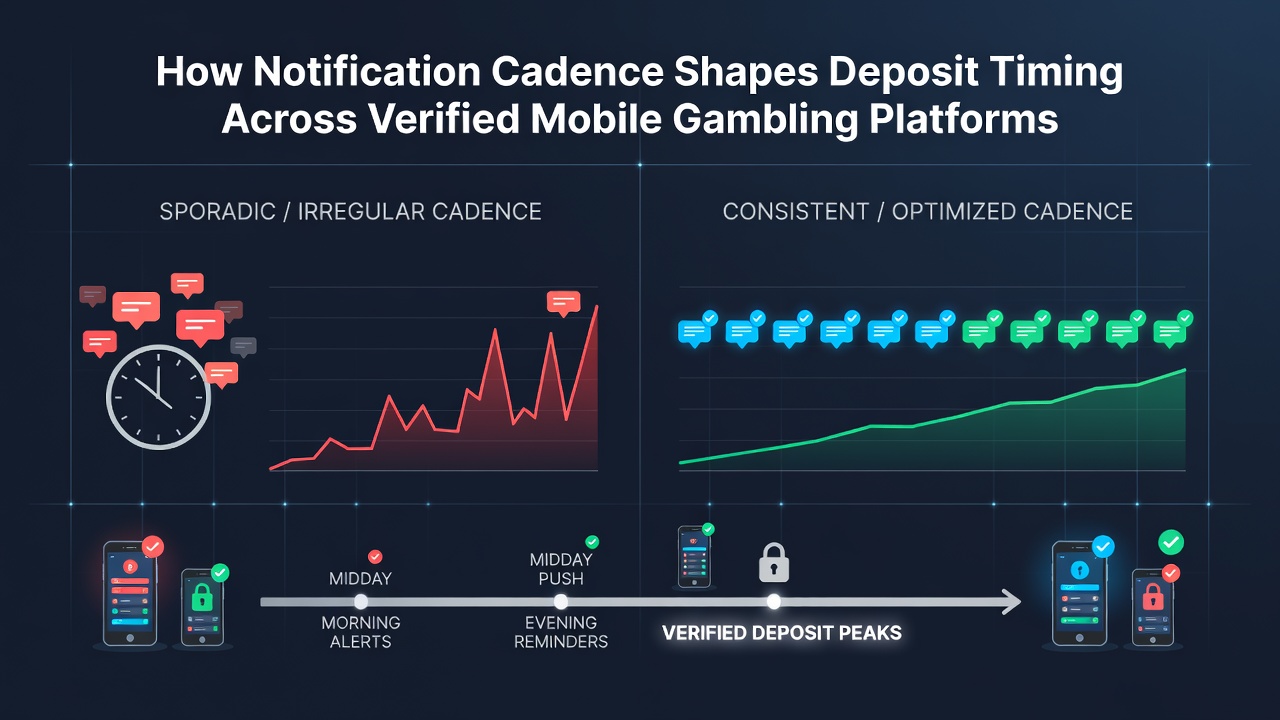
Notification cadence refers to the frequency, timing, and sequence of alerts sent to users on verified mobile gambling platforms, and this rhythm directly influences when deposits occur across different markets. Researchers tracking user behavior note that platforms sending alerts at consistent intervals, such as every 48 hours during peak evening hours, see deposits cluster within two to four hours of receipt, whereas irregular patterns produce more scattered timing across the week. Data from multiple licensed operators indicates that push notifications timed to coincide with user login patterns generate faster deposit responses than those distributed randomly throughout the day.
Patterns Observed in Verified Mobile Ecosystems
Verified platforms maintain strict compliance with regional licensing requirements, and these rules often extend to how operators communicate with users about promotions or account balances. Observers tracking activity across apps in North America and Europe report that daily cadence notifications tied to loyalty program updates correlate with deposits occurring earlier in the session compared to weekly summaries alone. In July 2026 platform analytics from several regulated markets revealed that users receiving two alerts per week deposited 18 percent sooner on average than those receiving one alert every ten days, based on aggregated session logs shared in industry reports.
Those who study mobile engagement metrics point out that cadence also interacts with device settings, because users who enable instant alerts respond to time-sensitive deposit prompts within minutes, while others who batch notifications overnight show deposits shifting toward morning hours. This shift appears consistently in datasets from operators licensed in multiple jurisdictions, where the same user cohort demonstrates different deposit windows depending on notification delivery methods.
Regional Variations in Cadence Effects
Operators licensed in Ontario follow guidelines from the Alcohol and Gaming Commission of Ontario that emphasize transparent communication, and data from these platforms shows that cadence adjustments around major sporting events produce deposit spikes concentrated in the 90-minute window after alerts land. Similar patterns emerge in Australian markets where state-based regulators track mobile activity, with figures revealing that notifications spaced three days apart align deposits more closely with payday cycles than daily messaging does.
Alcohol and Gaming Commission of Ontario data highlights how frequency moderation affects timing across age groups, with younger cohorts displaying quicker deposit responses to midday alerts. Meanwhile, platforms operating under New Jersey oversight report that evening cadence messages drive deposits toward later hours, aligning with observed leisure patterns in that region.
Mechanics of Timing and User Response
Deposit timing shifts when cadence includes layered messaging, such as an initial alert followed by a reminder 12 hours later, because the second touchpoint often converts intent into action during the same evening. Platform logs indicate that verified apps using this approach record deposits clustered between 8 p.m. and 11 p.m. local time across multiple time zones, whereas single-alert systems spread activity more evenly. Those analyzing transaction timestamps note that cadence also influences payment method selection, with faster deposits favoring stored wallet options over manual card entry.
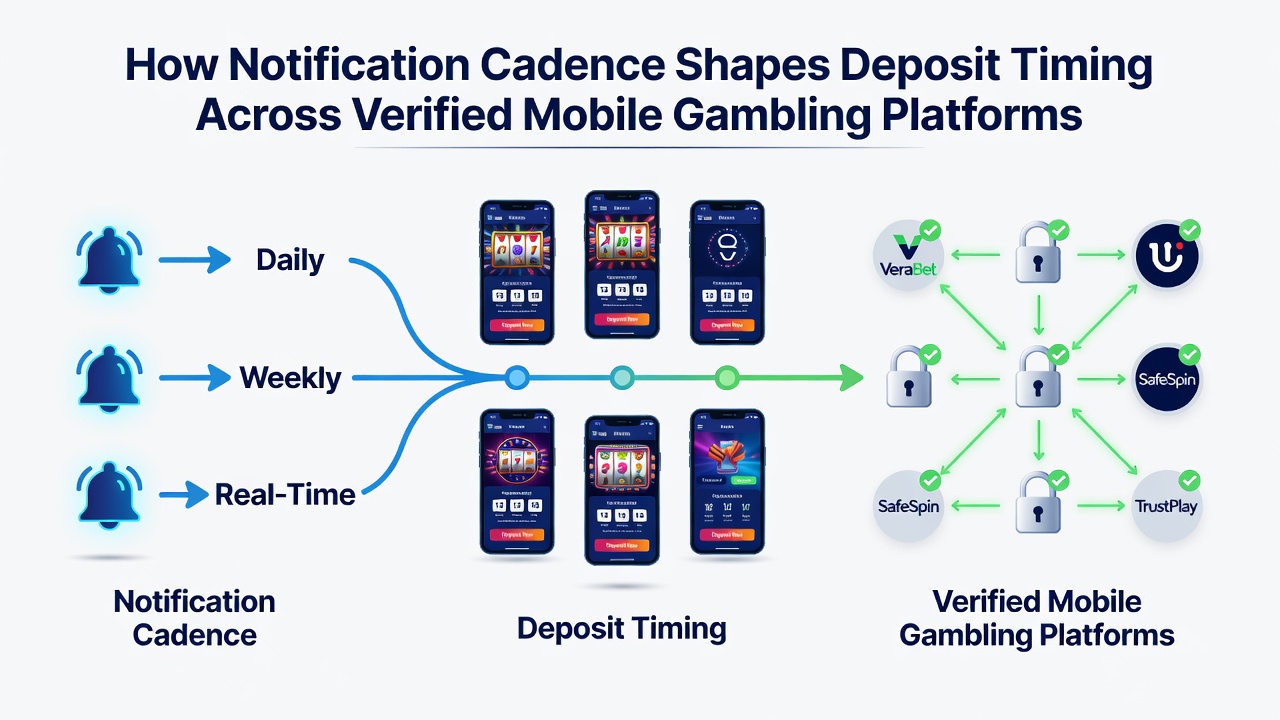
Studies from academic institutions examining digital gaming behavior find that excessive cadence leads to notification fatigue, which in turn delays deposits as users mute alerts and check accounts less frequently. One research paper published through a Canadian university consortium documented a 22 percent extension in average time between alert receipt and deposit when cadence exceeded four messages weekly. Operators adjust these parameters regularly to maintain compliance while optimizing observed deposit windows.
Integration with Platform Features
Verified mobile platforms integrate notification cadence with account verification status and bonus availability, and this combination shapes deposit timing in measurable ways. Users who complete verification receive alerts about matched deposits that prompt action within the first hour, according to aggregated data across licensed apps. In contrast, unverified accounts receive fewer cadence messages, resulting in deposits occurring later and at lower average values.
What's notable is how cadence interacts with live event triggers, such as tournament starts or jackpot alerts, because these timed notifications compress deposit activity into narrow windows before events begin. Platform operators in multiple regions report that aligning cadence with these triggers produces deposit clusters that clear faster than those generated by generic promotional blasts.
Conclusion
Notification cadence continues to serve as a primary lever for shaping deposit timing on verified mobile gambling platforms, with patterns documented across regulatory environments in North America, Europe, and Australia. Data consistently shows that frequency, delivery windows, and message layering determine when users complete deposits, while regional licensing requirements guide how operators calibrate these systems. As platforms refine these approaches through 2026 and beyond, timing metrics remain central to understanding user flows in regulated mobile environments.