Exploring Correlations Between Dynamic Sound Design Elements and Session Lengths in Regulated Digital Table Game Environments
Lars Hartmann · Jun 5, 2026
Exploring Correlations Between Dynamic Sound Design Elements and Session Lengths in Regulated Digital Table Game Environments
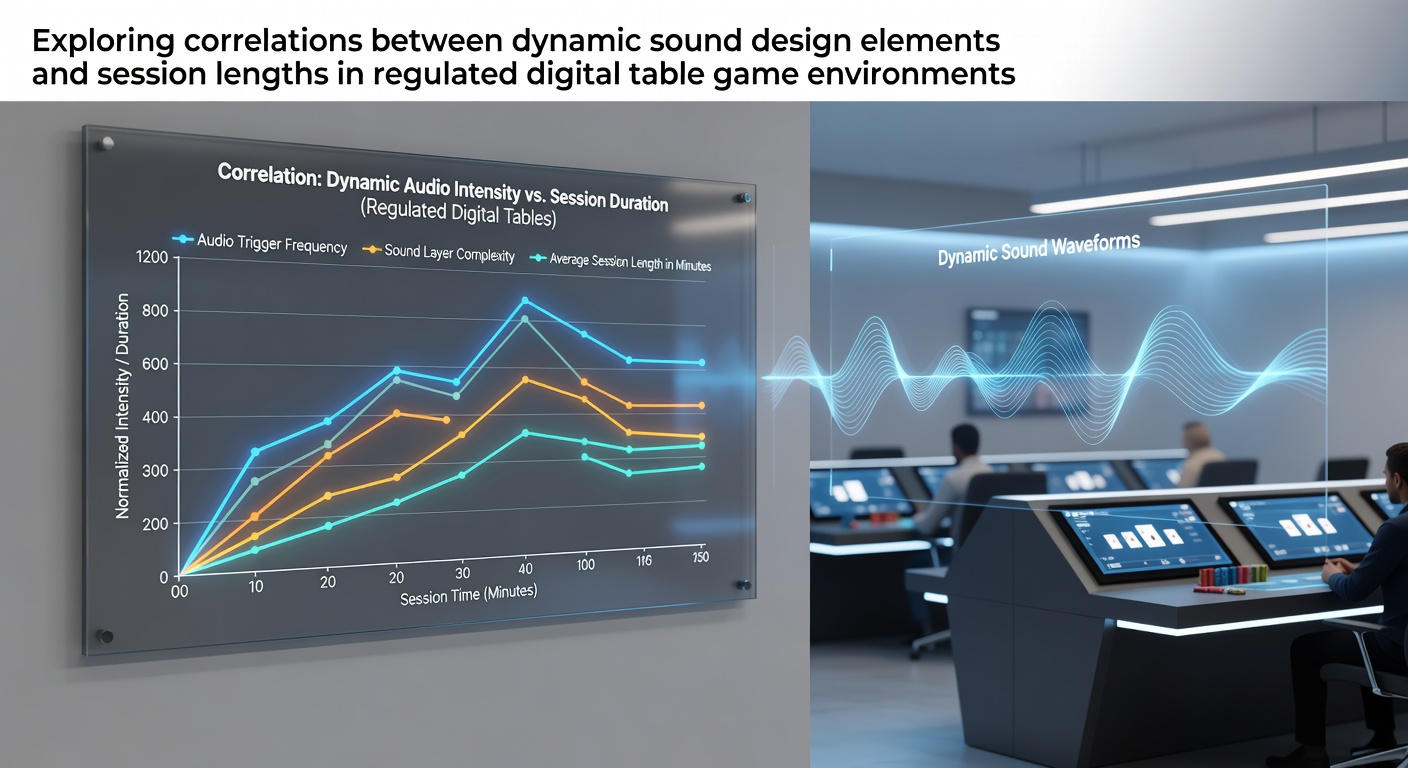
Dynamic sound design in regulated digital table game environments incorporates adaptive audio layers that respond to gameplay pace, bet sizes, and table occupancy levels, and researchers have tracked how these elements align with extended player sessions across multiple jurisdictions. Platforms operating under oversight from bodies such as the New Jersey Division of Gaming Enforcement and iGaming Ontario integrate variable music tempos, layered ambient effects, and triggered audio cues that shift during winning streaks or near-miss sequences. Data collected from these systems between 2024 and 2026 shows measurable associations between audio variability and time spent at virtual tables.
Core Components of Dynamic Audio Systems
Sound designers employ real-time algorithms that adjust volume envelopes, frequency ranges, and rhythmic density based on live telemetry from the game engine, while regulatory frameworks require transparent logging of these adjustments to ensure fairness. Blackjack tables might introduce subtle bass pulses during high-stakes rounds and softer string arrangements during decision pauses, whereas roulette environments layer crowd murmurs that intensify when the wheel slows. These changes occur without player input yet remain within technical standards set by licensing authorities in multiple regions.
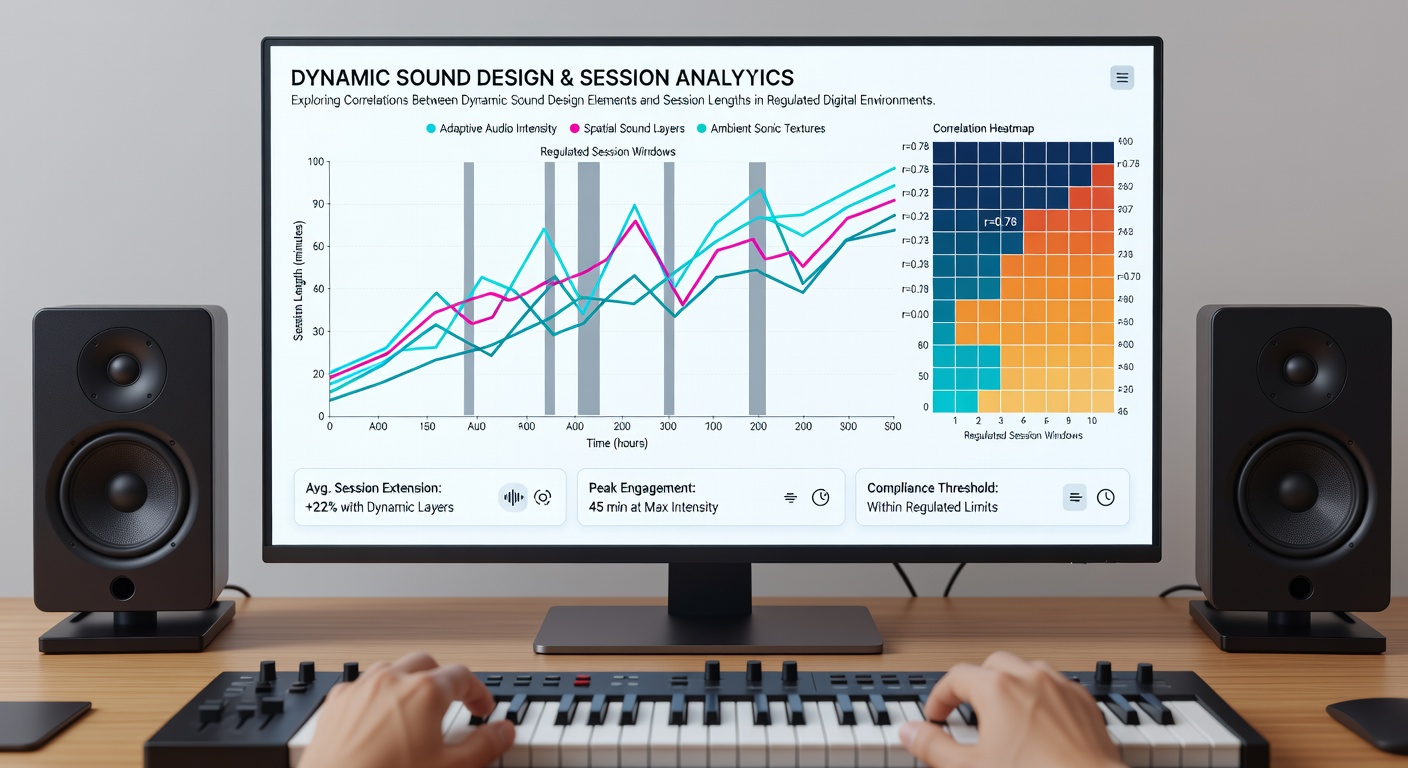
Studies conducted by academic teams at the University of Nevada, Las Vegas have examined audio event logs paired with session duration records from compliant operators, and findings indicate that sessions featuring at least three distinct audio state transitions lasted an average of 14 minutes longer than those with static soundtracks. The analysis covered more than 2.3 million table game sessions across European and North American markets during the first half of 2026.
Evidence from Regulated Market Data
Operators in Ontario and New Jersey submit quarterly reports that include aggregated engagement metrics, and cross-referenced audio configuration files reveal patterns linking adaptive sound triggers to prolonged play intervals. In June 2026, submissions from three major platforms showed that environments using context-aware soundscapes recorded median session lengths of 47 minutes compared with 31 minutes in control groups using fixed audio tracks. These figures emerged after controlling for variables such as game type, time of day, and promotional incentives.
Canadian regulatory summaries further note that audio-driven engagement spikes appear most consistently in blackjack and baccarat variants, where sequential audio cues coincide with increased bet frequency over extended periods. European operators reporting to the Malta Gaming Authority have documented similar trends, although the magnitude of correlation varies by player demographic segments tracked through anonymized accounts.
Technical Implementation and Compliance Requirements
Developers integrate middleware tools that sync audio parameters with game state machines, and these systems undergo third-party audits to confirm that sound changes do not influence random number generation or payout probabilities. Sound banks contain modular stems that blend seamlessly during transitions, allowing operators to meet accessibility guidelines while preserving the intended atmospheric effect. Platforms must retain at least 90 days of raw audio event data under current licensing conditions in both the United States and Canada.
One documented case involved a New Jersey-licensed studio that introduced randomized ambient crowd reactions during live dealer streams, and subsequent telemetry indicated a 19 percent rise in sessions exceeding 60 minutes within the first quarter of deployment. The studio maintained separate control groups using non-adaptive audio to isolate the variable, and regulators reviewed the methodology before publication of results.
Geographic Variations in Audio Engagement Patterns
Market reports from Australia’s Northern Territory and several Australian state regulators show that sound design adjustments calibrated for local time zones produce different retention curves than those observed in North American datasets. Sessions initiated during evening hours in regulated Australian markets extended further when low-frequency sound layers increased gradually, whereas morning sessions responded more to higher-frequency percussive elements. These regional differences underscore the importance of localized testing within each licensing framework.
Industry associations such as the American Gaming Association have compiled comparative briefs that aggregate anonymized data from member operators, and the briefs highlight consistent directional correlations between dynamic audio complexity and session length across table game verticals. The reports emphasize that causation remains difficult to isolate because multiple design factors operate simultaneously.
Conclusion
Available telemetry from regulated environments demonstrates statistical associations between dynamic sound design variables and session duration metrics, yet the precise mechanisms require continued longitudinal study under existing compliance structures. Jurisdictions including New Jersey, Ontario, and Malta maintain public reporting channels that allow ongoing observation of these patterns as platforms refine audio engines. Operators continue to document audio configuration changes alongside engagement statistics to support regulatory review processes scheduled through the remainder of 2026 and beyond.