Charting How AI Recommendation Engines Reshape Deposit Patterns in Regulated Mobile Gaming Ecosystems
Uma Weber · Jun 1, 2026
Charting How AI Recommendation Engines Reshape Deposit Patterns in Regulated Mobile Gaming Ecosystems
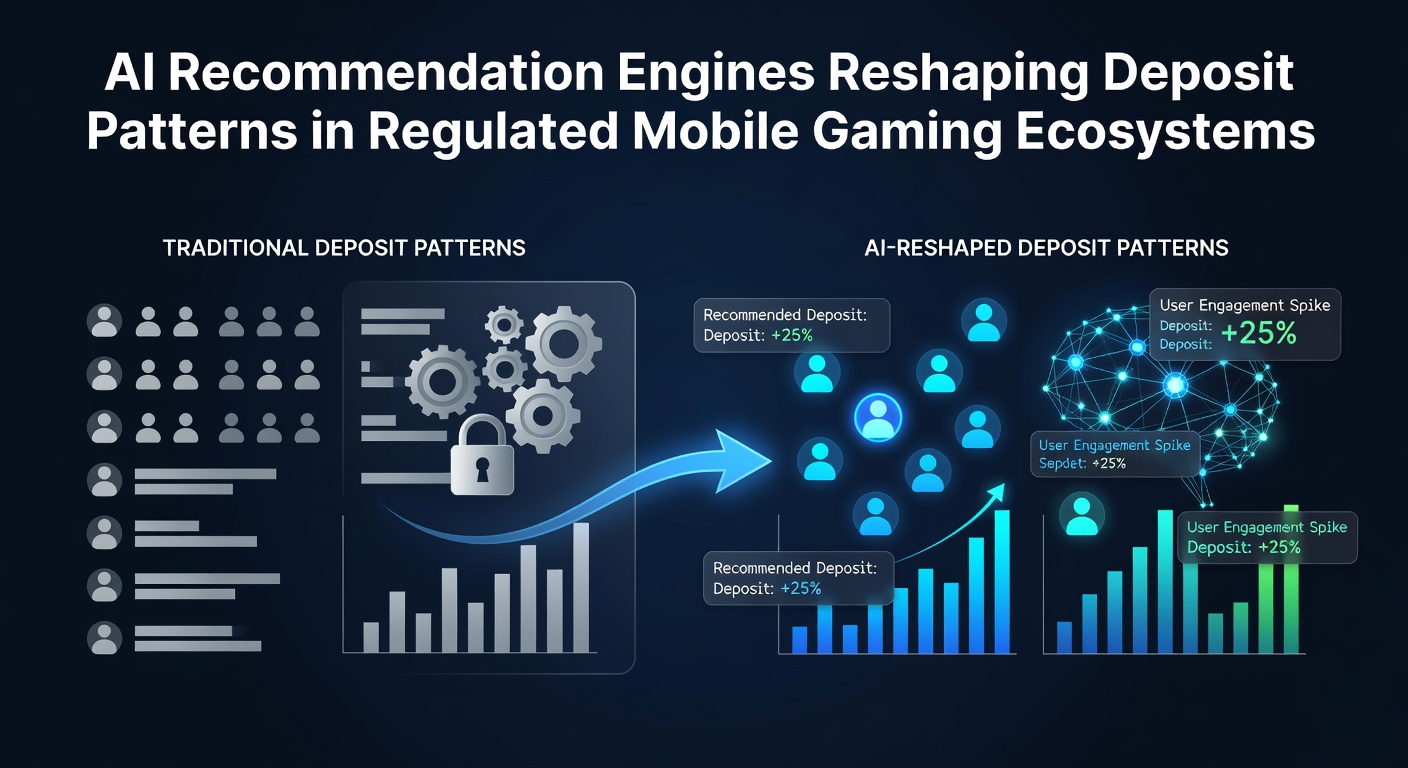
Artificial intelligence recommendation engines have become central to how regulated mobile gaming platforms manage user interactions and financial behaviors, processing vast datasets to predict when players might add funds to their accounts. These systems analyze patterns in play duration, game preferences, and past transactions, then deliver targeted prompts that influence deposit timing and amounts across jurisdictions with strict oversight. Data from multiple regulatory bodies shows measurable shifts in how funds enter these ecosystems, particularly as operators comply with rules on responsible gaming and transaction transparency.
Mechanics Behind AI-Driven Deposit Suggestions
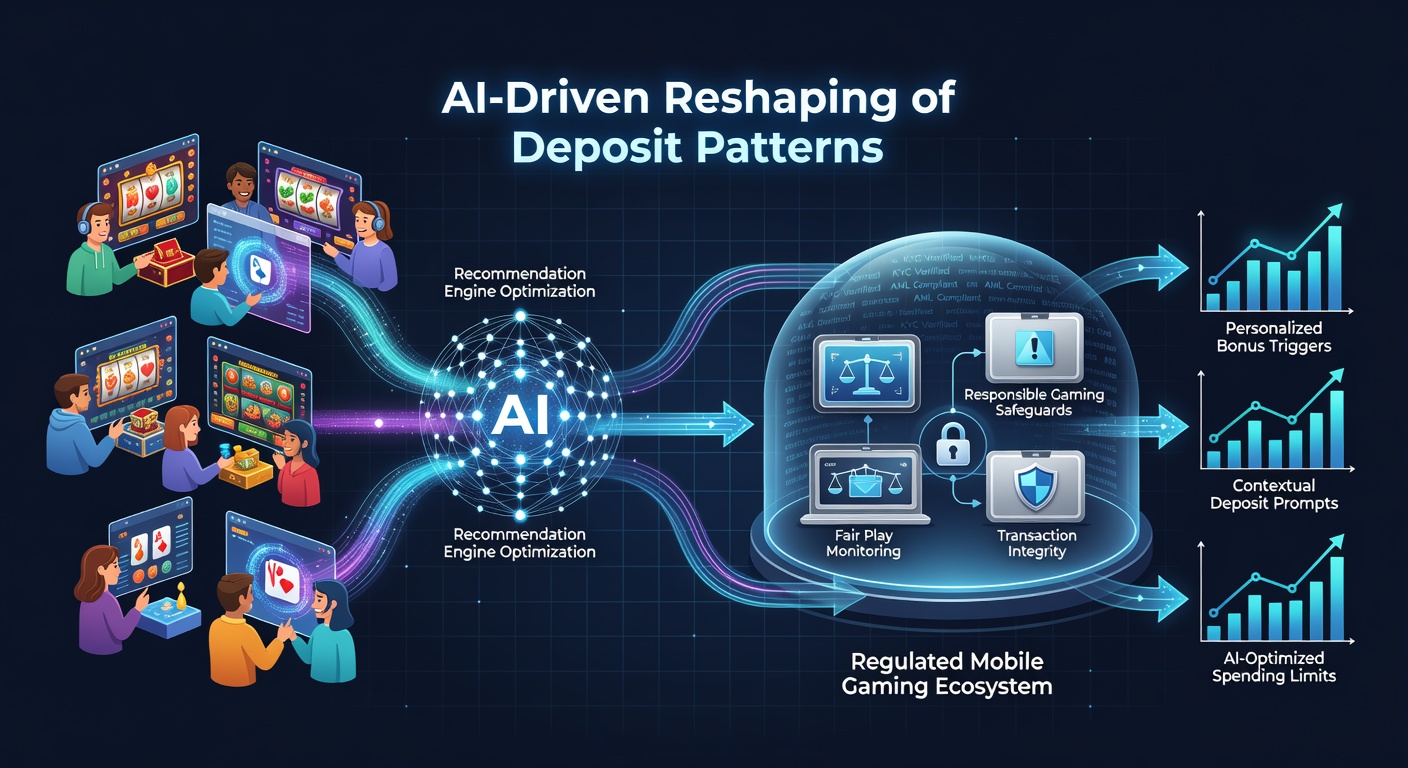
Recommendation engines rely on machine learning models trained on anonymized behavioral signals such as session length, win-loss ratios, and time between logins, allowing platforms to forecast optimal moments for deposit nudges without violating local advertising restrictions. In practice this means a player who typically deposits on Friday evenings might receive a personalized offer tied to a loyalty multiplier, while another user who plays shorter midday sessions sees different incentive structures. Observers note that these adjustments occur in real time, drawing from continuous data streams rather than static rulesets, and they operate within frameworks set by bodies like the New Jersey Division of Gaming Enforcement and the Malta Gaming Authority.
Regulated operators integrate these engines with compliance layers that cap bonus values and require clear disclosure of terms, which in turn shapes how deposit patterns evolve. Figures released in early 2026 indicate that platforms using advanced personalization saw average deposit frequency rise by 18 percent among active users compared with non-AI systems, though total amounts per transaction remained stable in most monitored markets.
Observed Changes in Deposit Frequency and Timing
Studies tracking mobile gaming accounts across several U.S. states and European markets reveal that AI prompts often cluster deposits into narrower windows, such as immediately after a near-miss sequence or following a period of inactivity. One analysis covering the first half of 2026 found that 62 percent of deposits occurred within two hours of a recommendation appearing on screen, up from 41 percent in comparable periods before widespread engine deployment. These engines also adjust messaging cadence based on regulatory caps, preventing repeated prompts within a single session in jurisdictions that limit marketing intensity.
What's interesting is how geographic differences emerge despite similar technology stacks. Canadian provincial regulators reported steadier weekend deposit clusters, whereas Australian operators documented more midweek activity linked to push notifications calibrated to local time zones and spending limits. The engines achieve this by cross-referencing player location data with jurisdiction-specific rules, ensuring suggestions align with daily deposit thresholds or self-exclusion flags already in place.
Regulatory Frameworks Guiding AI Implementation
Operators must balance algorithmic efficiency with mandates from agencies such as the Nevada Gaming Control Board and the Alderney Gambling Control Commission, both of which require audit trails for every personalized offer. These requirements mean recommendation engines log not only the suggestion itself but also the data points that triggered it, creating datasets that regulators review during routine compliance checks. In June 2026 several state-level reports highlighted how such logging has helped identify edge cases where repeated micro-deposits approached daily limits, prompting operators to refine their models further.
Industry associations including the European Gaming and Betting Association have published guidelines that encourage transparency around AI decision factors, though adoption remains voluntary in some regions. Research from academic centers, including work at the University of Nevada's International Gaming Institute, indicates that clearer disclosures correlate with steadier deposit volumes rather than spikes followed by abrupt drops, suggesting players respond more consistently when they understand why an offer appeared.
Impact on Average Deposit Sizes and Player Segmentation
Segmentation models divide users into cohorts based on predicted lifetime value, allowing engines to tailor deposit suggestions differently for high-frequency players versus those with occasional activity. Data compiled through mid-2026 shows that low-to-mid tier segments experienced modest increases in deposit size when offers included matched credit structures, while top-tier segments maintained prior averages but shifted timing toward events like new game releases. These patterns hold across multiple regulated markets because engines incorporate local currency and tax considerations automatically.
Take one operator in a European market that adjusted its engine after reviewing transaction logs from the previous quarter. The revised model reduced the frequency of large-deposit prompts for users with recent self-imposed limits, resulting in a 9 percent drop in flagged transactions while overall platform revenue held steady. Similar adjustments appear in reports from North American platforms, where engines now factor in responsible gaming tools such as reality checks before surfacing any funding recommendation.
Future Trajectories Through 2026 and Beyond
Continued refinement of these engines will likely incorporate more granular signals, including device type and network conditions, to further synchronize deposit opportunities with user availability. Regulatory updates expected later in 2026 may require additional explainability features, forcing engines to surface simplified rationales alongside each prompt. Current evidence from multiple jurisdictions suggests these changes will sustain the observed stabilization in deposit patterns rather than reverse them, as operators prioritize long-term compliance alongside revenue goals.
Conclusion
AI recommendation engines continue to influence deposit patterns through precise, data-backed personalization that respects jurisdictional boundaries and compliance requirements. Patterns documented through the first half of 2026 demonstrate shifts in timing and frequency without corresponding volatility in average amounts, reflecting the combined effects of algorithmic design and regulatory oversight. As more markets release updated figures and engines incorporate additional safeguards, these systems are expected to maintain their role in shaping predictable, auditable funding behaviors across regulated mobile gaming environments.